
Our Services
Wastewater Discharge Permit Compliance
Waste discharge permit compliance is the sampling, monitoring, inspection, and reporting your provincial discharge authorization requires each year. Facilities with permitted effluent discharges — including marine outfalls — need it to keep their authorization in good standing. Pacific Rim Wastewater Solutions collects and documents the data, inspects outfalls by ROV, and prepares the reporting your permit calls for.
If your facility operates under a waste discharge authorization, staying compliant isn't optional — and it isn't simple. I support system owners through the full compliance cycle: sampling, monitoring, inspection, and the annual reporting your permit demands.
For owners and operators of permitted discharge systems — including facilities with marine outfalls — across Central Vancouver Island.
Effluent and marine water sampling
Effluent and background environment sampling conducted as per your waste authorization requirements — collected properly, documented properly, and defensible when the regulator reviews your file.
Effluent flow monitoring
Support for system owners updating their facility to enable flow monitoring — the foundation of demonstrating your discharge stays within permitted limits.
Marine outfall inspections by ROV
Using an ROV submersible to assess outfall condition and performance — visual confirmation of diffuser integrity and discharge behaviour without the cost of commercial dive crews.
Annual reporting
Support in appropriately reporting system performance to fulfill your permit requirements — turning a year of sampling and monitoring data into the report your authorization requires.
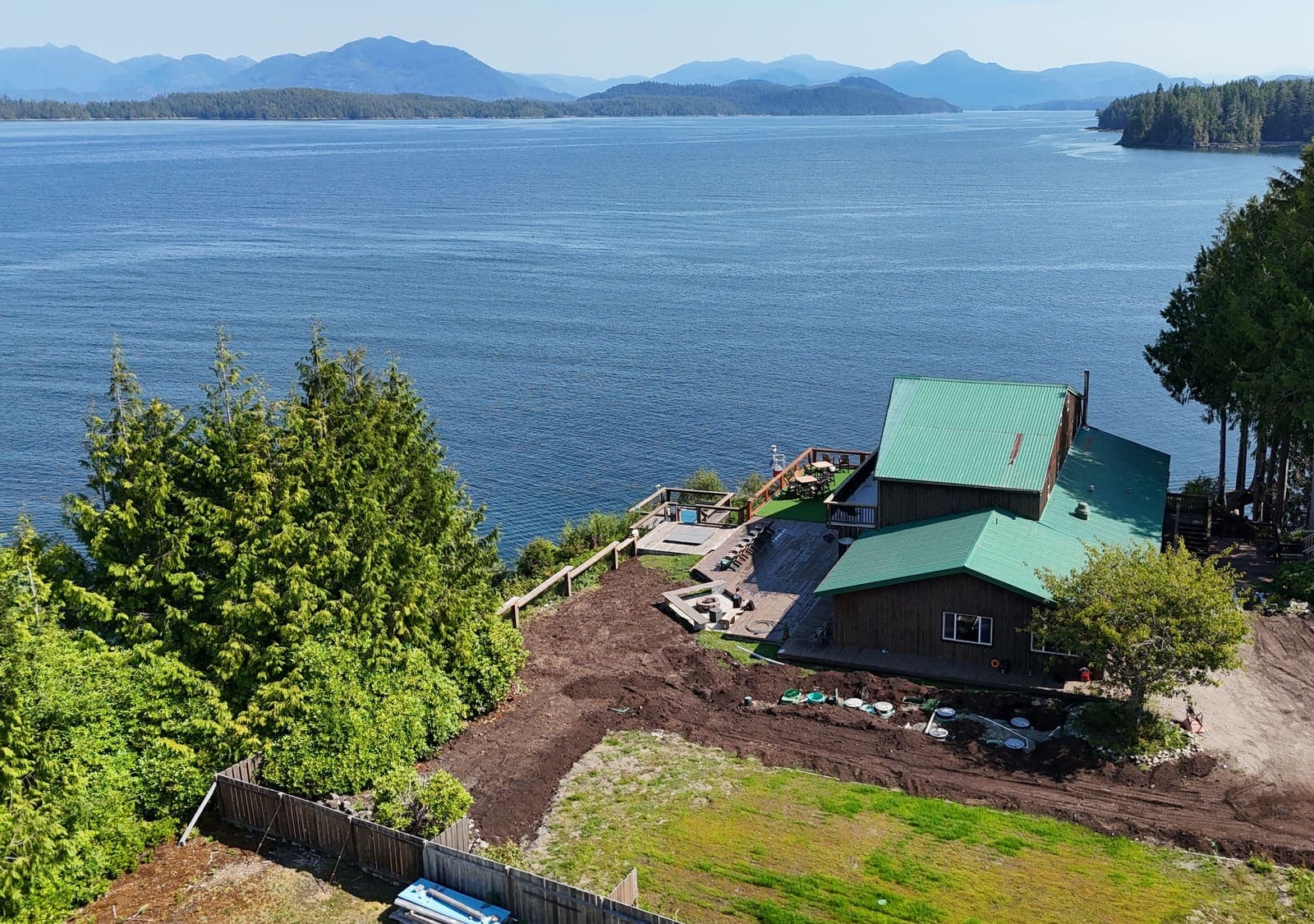
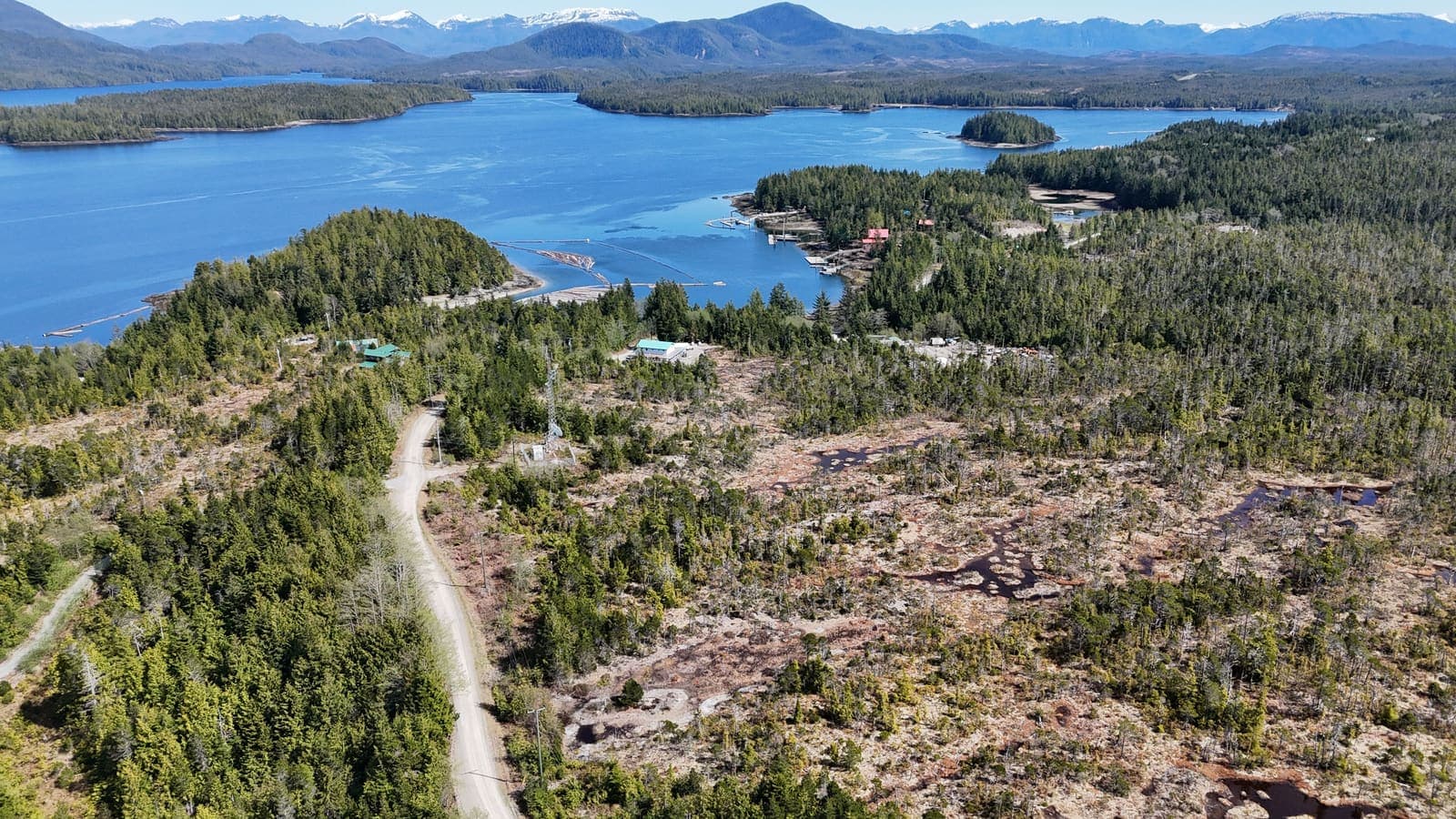
What does this look like in the field?
Photographs from real Vancouver Island projects. Client identifying details are deliberately kept out of frame — see project case studies for the full write-ups.
Frequently asked questions
What happens if I fall behind on permit reporting?
Discharge authorizations carry enforceable conditions, and lapsed monitoring or reporting puts the authorization itself at risk. Catching up proactively — with proper sampling and a credible report — is far cheaper than responding to enforcement.
What does compliance support cost, and what drives it?
Your permit does, mostly. Sampling frequency, the parameter list, and the number of monitoring stations are written into the authorization, and those set the lab and field effort. Travel matters on this coast — a Bamfield or west-coast site costs more to reach than a Port Alberni facility. ROV outfall inspections, catch-up work on lapsed years, and complex reporting add scope.
Can our operator do the sampling, or do we need a professional?
Trained site staff can often collect routine samples, and that's usually the cheapest arrangement. What benefits from professional involvement is the design of the monitoring program, interpretation of results against permit limits, and the annual report itself — documents the regulator reads and may act on. I can set up the program and train your staff, then handle interpretation and reporting.
What does a typical monitoring year look like?
Four steps, repeating. Sampling of effluent and, where required, the receiving environment on the schedule your permit sets; flow monitoring and record-keeping through the year; inspection of infrastructure such as the outfall on its own cycle; then compilation of the data into the annual report by your permit's due date. Most non-compliance I see is missed steps, not failed limits.
How often should a marine outfall be inspected?
Follow your authorization first — some specify a cycle. Where it's silent, periodic inspection is still prudent: outfalls suffer anchor damage, sediment burial, diffuser blockage, and pipe displacement, and none of that announces itself from shore. An ROV survey gives visual confirmation of condition and discharge behaviour at a fraction of the cost of a commercial dive crew.
Our flows have grown. Are we still within our authorization?
Worth checking carefully, because authorized discharge volume is an enforceable limit. Growth in occupancy, production, or connections can push actual flows past what the permit allows long before anyone notices. Flow monitoring gives you the record, and if you're trending toward the limit, an amendment application is a planned project rather than an emergency response to an inspection.
Our discharge is small — do we even need an authorization?
It depends on flow, source, and receiving environment. Smaller domestic onsite systems generally fall under the Sewerage System Regulation and Island Health rather than a provincial discharge authorization, while larger flows and non-domestic effluent fall under the Environmental Management Act. If you're unsure which regime applies to your facility, that question is worth resolving before you build or expand, not after.
Due for sampling, inspection, or your annual report?
Get compliance handled by a professional who understands both the science and the paperwork.